.png)
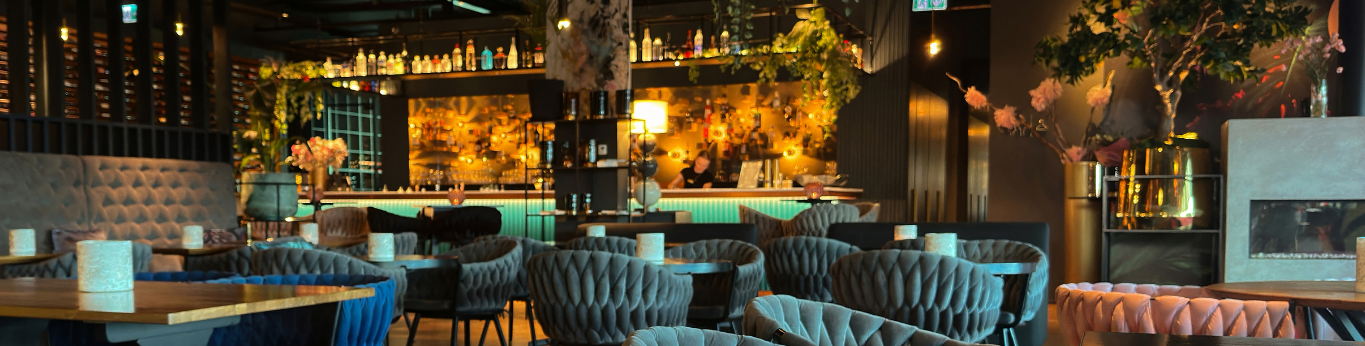
Venue response time has become a major factor in winning bookings, and planners increasingly compare venues based on how quickly they reply.
Every enquiry that comes in represents a potential venue booking. How quickly you respond often determines whether that opportunity turns into confirmed business or disappears into a competitor’s inbox.
So what is the average venue response time, and how much does it impact sales conversions?
Industry benchmarks: average venue response time
- Average venue response time: 47 hours
- 55% of companies take more than 5 days to respond to leads
Planners are sending multiple enquiries at once and comparing options side by side, waiting two days (let alone five) puts venues at an immediate disadvantage. For sales and event teams juggling multiple tasks, delays are result of manual processes, scattered information, and time-consuming proposal creation. The impact of those delays is very real.
How response time impacts sales conversions
Response speed influences how planners perceive your venue. When someone enquires, they’re already in decision mode. A fast, clear reply signals that your team is organised and easy to work with. A slow reply introduces doubt, even if your venue is the perfect fit.
- Timing your emails right can increase conversions by 49%
- Slow lead response times can increase churn by 15%
Fast responses keep momentum. Slow ones interrupt it. This plays out in a few ways:
- Faster responses increase perceived professionalism
- Faster proposals help the conversation move forward
- Faster follow‑ups reduce the chance of losing the lead
What holds venues back?
For teams, the biggest delay is often time spent on daily administration, including building venue proposals. Creating a tailored proposal often involves manually checking venue availability, pricing, and pulling together details from emails, spreadsheets, and past bookings. Add internal checks or approvals, and what should be a quick next step can stretch into days, especially during busy periods.
By the time the proposal goes out, a planner may have already shortlisted or booked another venue. This is where AI and automation set high-performing venues apart.
How iVvyAI's Instant Proposal shortens venue response time
Inbox management
Many delays begin with an overloaded inbox. New enquiries get buried under updates, forwards, and internal threads. Instant Proposal Email groups auto‑qualified enquiries in one place so teams can act immediately instead of sorting.
The result is a clearer daily view and less time lost to inbox admin.
Lead scoring
Instant proposals
Once a lead is qualified, Instant Proposal Email generates a proposal in iVvy using a venue’s existing data for rooms, packages, pricing, and availability. The proposal is ready in seconds for a team member to review and send.
Why same-day proposals win more bookings
Sending a proposal on the same day as the enquiry keeps the conversation alive while interest is at its peak. With Instant Proposal, venue teams can:
- Respond while planners are still comparing options
- Reduce back-and-forth emails
- Move straight from enquiry to decision
- Stay ahead, even on the busiest days
Instead of scrambling to catch up, teams stay proactive by responding first, following up faster, and converting more leads in less time.
Speed: the differentiator of a high-performing venue team
When responses are slow, momentum fades and attention shifts elsewhere. The venues that perform best are the ones that remove friction from the sales process, respond while interest is high, and make it easy for planners to take the next step.
As tools like Instant Proposal reduce the time it takes to prepare proposals, response speed is becoming a differentiator. For venue teams, that shift may be one of the simplest ways to improve productivity and secure more bookings.
FAQs
What is a good venue response time?
Most planners expect a reply within the same day they enquire. While the industry average is 47 hours, venues that respond within a few hours usually see higher conversion rates and stronger engagement.
Why do venue response times matter so much?
Planners compare multiple venues at once, so the team that replies first often feels more organised and easier to work with. A slow response can shift attention to another venue, even if your space is the better fit.
What causes slow response times in venue teams?
Delays usually come from manual tasks like checking availability, confirming pricing, gathering details from emails or spreadsheets, and preparing proposals. These steps add up, especially during busy periods.
How does response time affect bookings?
Fast responses build momentum and reassure planners that the venue is reliable. Slow responses can increase drop‑off, reduce conversions, and create friction early in the sales process.
How can venues improve their response time?
AI and automation helps remove the manual steps that slow teams down. Tools like iVvyAI’s Instant Proposal handle inbox organisation, lead scoring, and proposal creation so teams can respond faster without adding more admin.
What is Instant Proposal?
Instant Proposal powered by hivr.ai is iVvyAI's first AI product, helping venue teams to create and send proposals faster. It uses AI to read incoming email enquiries, score and qualify leads, and automatically upload them to iVvy Venue Management Software. Proposals can then be generated in seconds, ready to send same-day.
Do same‑day proposals really increase bookings?
Yes. Same‑day proposals keep the conversation active while the planner is comparing options. This reduces back‑and‑forth, shortens the decision stage, and helps your venue stay top of mind.
Who benefits most from faster response times?
Any venue handling multiple enquiries each week benefits. Faster responses help small teams stay competitive and give larger teams a way to manage higher enquiry volumes without increasing workload.